
Water Pollution in Florida
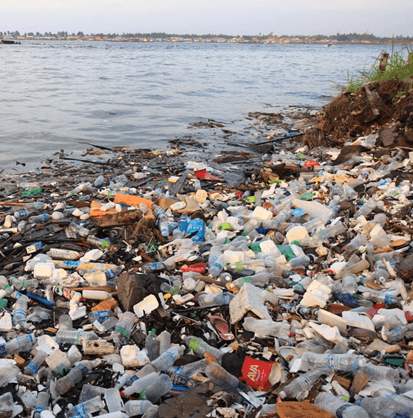
Water Pollution growing in Florida.Vote for water cleanup
California’s dirtiest beaches
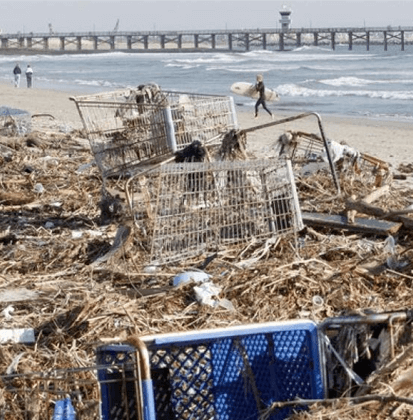
California’s dirtiest beaches ranked in Heal the Bay’sreport card – Los Angeles Times
PepsiCo New York
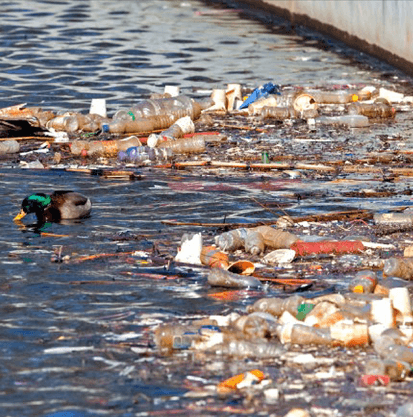
Toxic Passaic River needs clean up, PepsiCo sued by New York
No Farmers, No Food

– A war against farmers has emerged, threatening to push them off the land they’ve farmed for generations
– As small and mid-sized farms close their doors, governments and corporate entities can scoop up the land
– Those in control of the land control the food supply and, along with it, the people
– Much of this threat is cloaked under Agenda 2030, which includes 17 sustainable development goals with 169 specific targets to be imposed across the globe, in every country, by 2030
– The push to eat insects is part of this plan; in 2021, the European Commission authorized mealworms as food, releasing a news release touting “the growing role that insects will play as part of a healthier, more sustainable diet”
Widespread aquifer depressurization after a century of intensive groundwater use in USA

Water supplies for household use and irrigated agriculture rely on groundwater wells. When wells are drilled into a highly pressurized aquifer, groundwater may flow up the well and onto the land surface without pumping. These flowing artesian wells were common in the early 1900s in the United States before intensive groundwater withdrawals began, but their present-day prevalence remains unknown. Here, we compile and analyze ten thousand well water observations made more than a century ago. We show that flowing artesian conditions characterized ~61% of wells tapping confined aquifers before 1910, but only ~4% of wells tapping confined aquifers today. This pervasive loss of flowing artesian conditions evidences a widespread depressurization of confined aquifers after a century of intensive groundwater use in the United States. We conclude that this depressurization of confined aquifers has profoundly changed groundwater storage and flow, increasing the vulnerability of deep aquifers to pollutants and contributing to land subsidence.
Moroccan Water Reserves for Irrigation Fall by 80% As Scarcity Continues
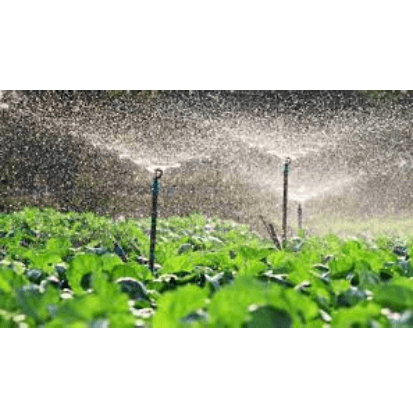
Record droughts and heat waves have left Morocco’s agricultural sector in a vulnerable state.